

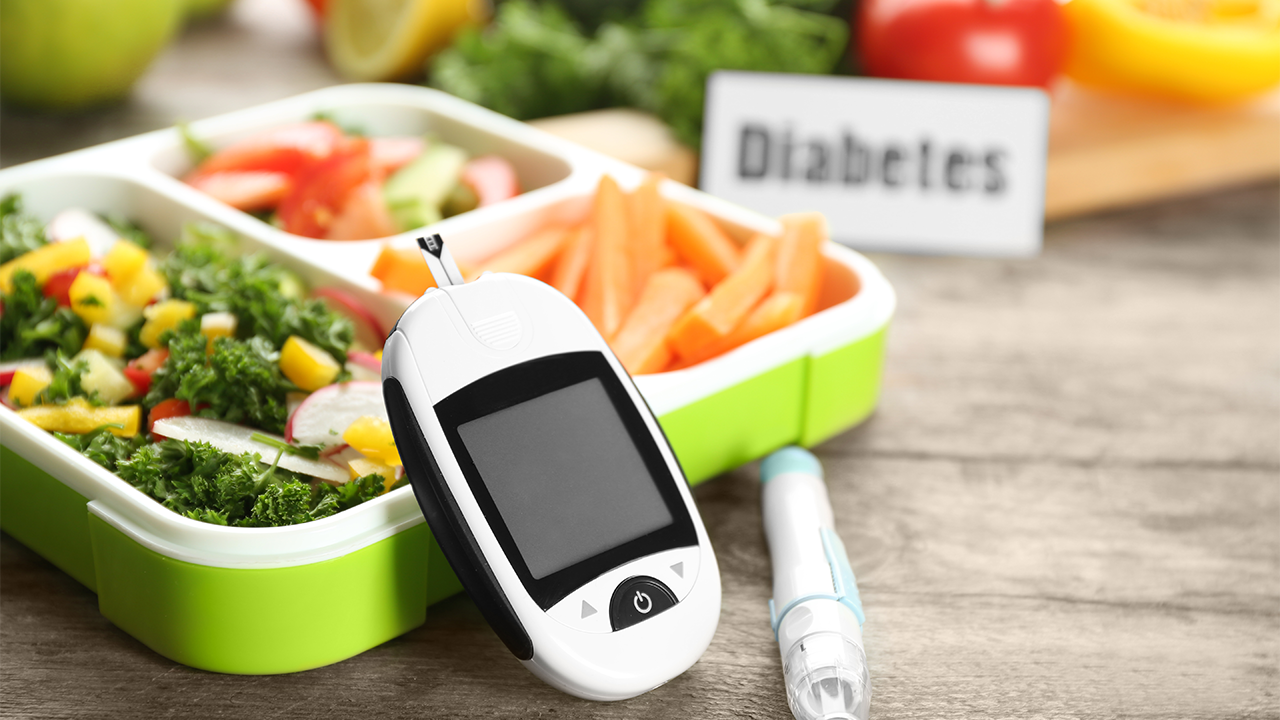
Type 2 diabetes is a long-term condition that affects how the body processes glucose, the main source of energy for cells. When blood sugar levels remain high for a long period, it can lead to complications such as heart disease, kidney damage, nerve problems, and vision loss. Proper management is essential to keep blood glucose within a healthy range and prevent long-term complications.
Managing type 2 diabetes usually involves a combination of lifestyle changes and medication. Some individuals are able to control their blood sugar mainly through healthy habits, especially when the condition is diagnosed early. Others may require medicines to maintain stable glucose levels. Understanding both approaches helps individuals work with their healthcare provider to choose the most suitable treatment plan.
Lifestyle Changes Form the Foundation of Diabetes Care
Lifestyle management plays a central role in controlling type 2 diabetes. Healthy eating, regular physical activity, weight control, and stress management can significantly improve insulin sensitivity and help regulate blood sugar levels.
A balanced diet that includes whole grains, vegetables, fruits, lean proteins, and healthy fats supports stable blood glucose levels. Reducing intake of refined sugars, sugary drinks, and highly processed foods helps prevent sudden spikes in blood sugar. Portion control and mindful carbohydrate intake are also important.
Regular physical activity allows muscles to use glucose more efficiently. Experts generally recommend at least 150 minutes of moderate exercise each week, such as brisk walking, cycling, or swimming. Strength training can also improve glucose metabolism and overall metabolic health.
Everyday Natural Tips to Help Control Blood Sugar
Along with major lifestyle changes, small daily habits or simple home-based practices can also support better blood sugar control.
- Start the day with a protein-rich breakfast. Foods such as eggs, nuts, yogurt, or sprouts help stabilize blood sugar and reduce sudden hunger.
- Drink adequate water throughout the day. Proper hydration helps the body regulate glucose levels and supports kidney function.
- Include fiber-rich foods like oats, lentils, vegetables, and fruits. Fiber slows glucose absorption and prevents rapid spikes in blood sugar.
- Take short walks after meals. Even a 10 to 15-minute walk after eating can help lower post-meal blood sugar levels.
- Use smaller plates and practice portion control. Eating smaller, balanced meals can prevent overeating and large glucose fluctuations.
- Prioritize good sleep. Poor sleep can increase insulin resistance and make blood sugar harder to control.
These small habits may appear simple, but when practiced consistently, they can make a meaningful difference in diabetes management.
Weight Management and Insulin Sensitivity
Excess body weight, especially around the abdomen, contributes to insulin resistance. Losing even a modest amount of weight can significantly improve how the body responds to insulin and help control blood glucose more effectively.
Gradual weight loss through balanced nutrition and regular exercise is generally more sustainable than restrictive dieting. Improved insulin sensitivity reduces stress on the pancreas and supports long-term diabetes control.
When Medication Is Required
Although lifestyle strategies are extremely important, many people with type 2 diabetes eventually require medication to maintain target blood sugar levels. Over time, the pancreas may produce less insulin, making lifestyle measures alone insufficient.
Metformin is commonly prescribed as the first-line medication. It works by reducing glucose production in the liver and improving insulin sensitivity. Other medications may help the body release more insulin, slow the absorption of carbohydrates, or remove excess glucose through urine. In some situations, insulin therapy may also be required to achieve adequate blood sugar control.
It is important to remember that medication works best when combined with healthy lifestyle habits. Medicines support glucose control, but they do not replace proper diet, exercise, and regular monitoring.
Monitoring and Long-Term Care
Regular monitoring is an essential part of diabetes management. Checking blood glucose levels helps individuals understand how food, exercise, stress, and medication affect their readings.
Routine health checkups are also important. Doctors often monitor HbA1c levels, blood pressure, cholesterol, kidney function, and eye health. Based on these results, treatment plans may be adjusted to maintain optimal control.
A Personalized Approach to Diabetes Management
Type 2 diabetes management is not the same for everyone. Some individuals may manage their blood sugar primarily through lifestyle changes, especially in the early stages of the condition. Others may require a combination of oral medications, injectable therapies, or insulin to achieve treatment goals.
Factors such as age, duration of diabetes, presence of other medical conditions, and individual lifestyle all influence treatment decisions. Working closely with a healthcare team helps create a personalized plan that supports long-term health and well-being.
Conclusion
Managing type 2 diabetes with and without medication requires a balanced and comprehensive approach. Lifestyle changes form the foundation of care and can greatly improve blood sugar control. However, medications are often necessary to maintain healthy glucose levels and prevent complications.
By combining healthy daily habits, proper medical care, and regular monitoring, individuals with type 2 diabetes can successfully manage their condition and lead a healthy and active life.
References
- American Diabetes Association. Standards of care in diabetes 2023. Diabetes Care. 2023;46(Suppl 1).
- Centers for Disease Control and Prevention. Type 2 diabetes [Internet]. Atlanta (GA): Centers for Disease Control and Prevention; 2023 [cited 2026 Feb 25]. Available from: https://www.cdc.gov
- Mayo Clinic. Type 2 diabetes: Symptoms and causes [Internet]. Rochester (MN): Mayo Foundation for Medical Education and Research; 2022 [cited 2026 Feb 25]. Available from: https://www.mayoclinic.org