

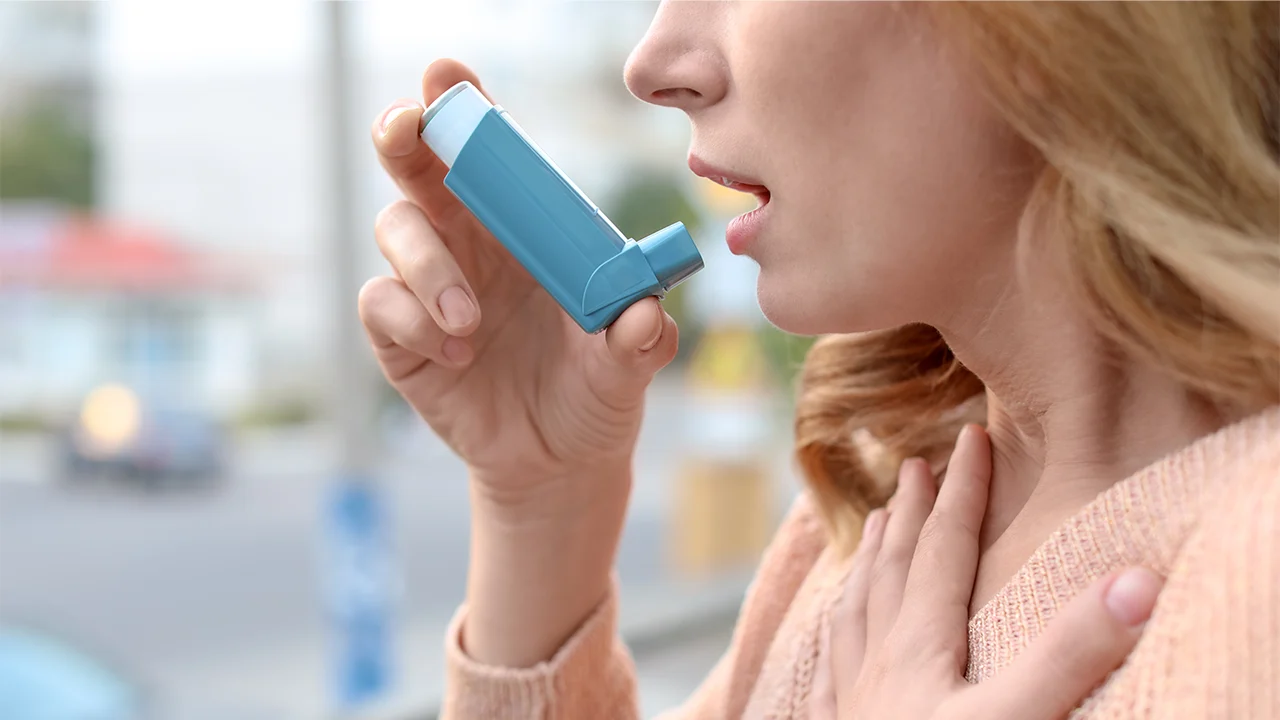
Asthma is a common chronic condition that affects the airways, making it difficult to breathe at times. It occurs when the airways become inflamed, narrow, and produce excess mucus. This can lead to recurring episodes of breathing difficulty, which may vary from mild to severe.
Recognizing asthma symptoms early is important for proper management and prevention of complications.
Symptoms of asthma can differ from person to person. Some individuals may experience occasional mild symptoms, while others may have frequent or severe attacks. Understanding the common signs can help in seeking timely medical care and improving quality of life.
Shortness of Breath
One of the most common symptoms of asthma is shortness of breath. People may feel like they
cannot get enough air or have difficulty taking deep breaths.
This symptom often worsens during physical activity, exposure to allergens, or at night. In someIn
cases, even mild exertion such as climbing stairs may trigger breathlessness.
Wheezing
Wheezing is a high-pitched whistling sound that occurs while breathing, especially during exhalation. It is caused by the narrowing of the airways.
Not everyone with asthma experiences wheezing, but when present, it is a key indicator of airway obstruction. It may be more noticeable during an asthma attack or after exposure to triggers like dust or smoke.
Chest Tightness
Many people with asthma describe a feeling of tightness or pressure in the chest. It may feel like something is squeezing or sitting heavily on the chest.
This discomfort can be mild or severe and is often associated with difficulty breathing. It may
occur along with other symptoms such as wheezing or coughing.
Persistent Cough
A chronic cough, especially at night or early in the morning, is another common symptom of asthma. The cough may be dry or produce a small amount of mucus.
In some individuals, cough may be the only symptom, a condition sometimes referred to as
cough variant asthma. It may worsen with cold air, exercise, or respiratory infections.
Symptoms That Worsen at Night or Early Morning
Asthma symptoms often become worse during the night or in the early morning hours. This pattern can disturb sleep and lead to fatigue during the day.
Nighttime symptoms are an important sign that asthma may not be well controlled and may
require adjustment in treatment.
Triggers That Can Worsen Symptoms
Asthma symptoms are often triggered by specific factors. Common triggers include dust, pollen, pet dander, smoke, cold air, respiratory infections, and strong odors.
Physical activity and emotional stress can also trigger symptoms in some individuals. Identifying
and avoiding triggers plays a key role in managing asthma effectively.
When Symptoms Become Severe
In some cases, asthma symptoms can suddenly worsen, leading to an asthma attack. Signs of A severe episode includes extreme difficulty breathing, rapid breathing, and inability to speak fully sentences, and bluish lips or fingernails.
This is a medical emergency and requires immediate treatment. Quick action can prevent serious complications.
Conclusion
Asthma symptoms such as shortness of breath, wheezing, chest tightness, and persistent cough can significantly affect daily life if not managed properly. Recognizing these symptoms Early and understanding triggers can help individuals take control of their condition.
With proper treatment, lifestyle adjustments, and regular medical care, most people with asthma can lead active and healthy lives. Anyone experiencing persistent breathing problems should consult a healthcare professional for an accurate diagnosis and appropriate management.
References
1. Centers for Disease Control and Prevention. Asthma [Internet]. Atlanta GA: Centers for
Disease Control and Prevention; 2023 [cited 2026 Mar 16]. Available from:
https://www.cdc.gov
2. Mayo Clinic. Asthma symptoms and causes [Internet]. Rochester, MN: Mayo Foundation
for Medical Education and Research; 2022 [cited 2026 Mar 16]. Available from:
https://www.mayoclinic.org
3. National Heart, Lung, and Blood Institute. Asthma [Internet]. Bethesda, MD: National
Institutes of Health; 2022 [cited 2026 Mar 16]. Available from: https://www.nhlbi.nih.gov