Diabetes: Symptoms, Normal Sugar Levels and What You Need to Know
Just checked your sugar level? Got an HbA1c report? Noticed symptoms that worry you? This guide explains diabetes in simple language: what the numbers mean, what signs to watch for, and when to see a doctor.
Have a question that isn’t answered here? Ask ANYA on WhatsApp, in your own language, any time.

What Is Diabetes?
Diabetes mellitus, usually just called diabetes, is a long-term condition in which blood sugar (glucose) stays higher than normal.
Normally, a hormone called insulin, made by the pancreas, moves sugar from your blood into your cells for energy. In diabetes, the body either doesn’t make enough insulin or can’t use it properly, so sugar builds up in the blood. Over time, high blood sugar can affect the eyes, nerves, kidneys, heart and feet.
With timely diagnosis and the right care, diabetes can be managed.
Types of Diabetes
- Type 1 diabetes (T1D or T1DM): The immune system attacks the insulin-making cells in the pancreas. People with type 1 diabetes need insulin every day. It is often diagnosed in children and young adults.
- Type 2 diabetes (type II diabetes): The most common type. The body makes insulin but doesn’t use it well, a condition called insulin resistance. It is closely linked to weight, diet, physical activity and family history.
- Prediabetes: Blood sugar is higher than normal but not yet in the diabetes range. It usually has no symptoms, and lifestyle changes at this stage can lower the risk of type 2 diabetes.
- Gestational diabetes: Develops during pregnancy and needs careful monitoring by a doctor.
Common Diabetes Symptoms
Diabetes symptoms can develop slowly, and some people have none at all. Warning signs of high blood sugar (hyperglycemia) include:
- Frequent urination
- Excessive thirst
- Feeling very hungry, even after eating
- Unexplained weight loss
- Constant tiredness
- Blurred vision
- Slow-healing cuts or wounds
- Tingling or numbness in the hands or feet
When to see a doctor: If you notice any of these signs, get your blood sugar tested and consult a doctor. You may be referred to an endocrinologist, a specialist in diabetes and hormone conditions.
Normal Blood Sugar Levels: What Do the Numbers Mean?
The table below shows the blood sugar ranges used to diagnose diabetes, according to the American Diabetes Association.
| Test | Normal | Prediabetes | Diabetes |
|---|---|---|---|
| Fasting blood sugar | Less than 100 mg/dL | 100–125 mg/dL | 126 mg/dL or higher |
| HbA1c | Less than 5.7% | 5.7%–6.4% | 6.5% or higher |
| Oral glucose tolerance test (2 hours) | Less than 140 mg/dL | 140–199 mg/dL | 200 mg/dL or higher |
A random blood sugar of 200 mg/dL or higher, with symptoms, may also indicate diabetes.
Fasting blood sugar test: This measures your blood glucose after at least 8 hours without food (water is allowed), usually first thing in the morning. Normal fasting blood glucose levels are below 100 mg/dL.
Keep in mind:
- One high reading doesn’t automatically mean diabetes. Diagnosis usually needs a repeat test on another day, interpreted by a doctor.
- If you already have diabetes, your target sugar levels may differ. Your doctor will set them for you.
- Home readings help with monitoring, but diagnosis should be based on lab tests.
What Is the HbA1c Test?
The HbA1c test (also searched as “hb1ac test”) shows your average blood sugar level over the past two to three months. It doesn’t require fasting.
Doctors use HbA1c to diagnose diabetes and to track how well it’s being managed. HbA1c normal levels are below 5.7%.
Test costs vary between labs and cities.
Low Blood Sugar (Hypoglycaemia)
Hypoglycaemia means blood sugar has dropped too low, generally below 70 mg/dL. It is more common in people taking insulin or certain diabetes medicines.
Warning signs: shakiness, sweating, fast heartbeat, dizziness, confusion, sudden hunger and irritability.
Emergency: If someone becomes confused, unconscious or has a seizure, seek emergency medical help immediately. People with diabetes should ask their doctor how to manage low blood sugar.
Diabetes Complications
Blood sugar that stays high over a long period can damage blood vessels and nerves:
- Diabetic retinopathy: damage to the eye’s blood vessels, which can affect vision. Regular eye check-ups help detect it early.
- Diabetic neuropathy: nerve damage. Diabetic peripheral neuropathy often causes tingling, pain or numbness in the feet and legs.
- Diabetic foot problems: reduced sensation makes diabetic feet prone to unnoticed cuts and ulcers. Check your feet daily and report any wound to a doctor.
- Kidney and heart problems: diabetes raises the risk of both.
Regular check-ups and good sugar control help lower these risks.
Diabetic Diet and Blood Sugar Monitoring
Diabetic Diet:
Focus on balance, not giving up everything you enjoy.
- Choose whole grains, vegetables, pulses and fibre-rich foods
- Limit sweets, sugary drinks and refined carbohydrates
- Watch portion sizes and eat at regular times
A doctor or qualified dietitian can plan meals that suit you.
Monitoring at Home:
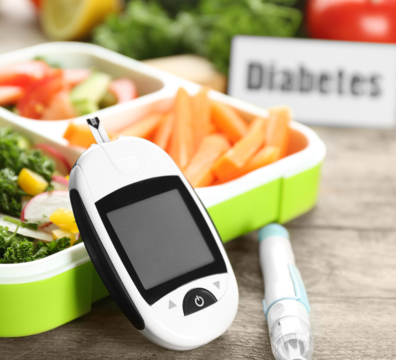
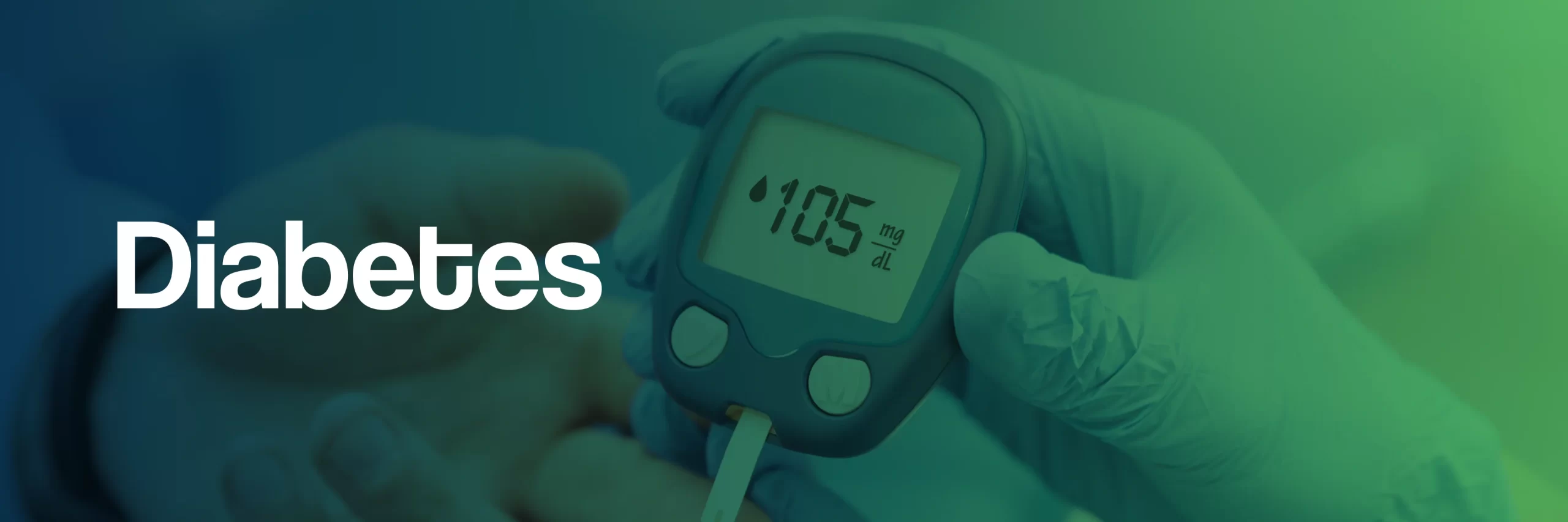
- Glucometer: checks blood sugar levels from a drop of blood, taken with small needles called lancets.
- Continuous glucose monitoring (CGM): a small sensor worn on the body that tracks glucose day and night.
Your doctor can advise which method suits you and how often to test.
How ANYA Helps with Diabetes
ANYA, Lupin’s free AI health assistant, answers your diabetes questions 24/7 on WhatsApp, in simple language.
Try asking:
- “What is a normal sugar level in the morning?”
- “What does HbA1c mean?”
- “What foods are good for a diabetic diet?”
- “What are the early signs of diabetes?”
ANYA provides health information, not diagnosis or treatment.
Frequently Asked Questions
For adults without diabetes, a normal fasting blood sugar is below 100 mg/dL and a normal HbA1c is below 5.7%. A fasting level of 100–125 mg/dL indicates prediabetes, and 126 mg/dL or higher on repeat testing indicates diabetes.
It shows your average blood sugar over the past two to three months. Doctors use it to diagnose diabetes and track how well it’s managed.
Frequent urination, excessive thirst, increased hunger, tiredness, blurred vision and slow-healing wounds. Some people have no symptoms, so regular testing matters.
In type 1, the body makes little or no insulin. In type 2, the body doesn’t use insulin effectively. Type 2 is far more common.
Your doctor may refer you if your diabetes is hard to control, you have type 1 diabetes, or you develop complications.
Type 1 diabetes cannot currently be prevented. The risk of type 2 diabetes can be lowered with healthy eating, regular activity and a healthy weight.
Yes. Ask ANYA to explain medical terms and general ranges in your preferred language. For diagnosis and treatment, always consult your doctor.