Skin & Hair Health: Causes of Hair Loss, Rashes and Care Guide
Your skin and hair often reflect your overall health. This guide explains common skin and hair concerns in simple language, from itching and rashes to hair loss, along with what may cause them and when to see a doctor.
Have a skin or hair question? Ask ANYA on WhatsApp, in your own language, any time.

Part 1: Skin Health
Itching: Why Does My Skin Itch?
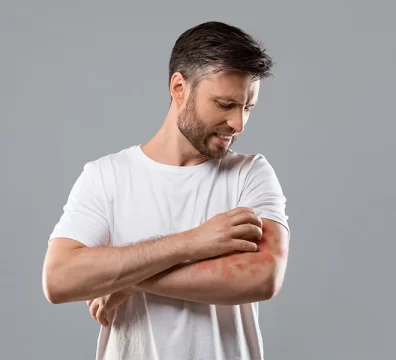
Itching is one of the most common skin complaints. Skin itching can affect one area or cause itching all over the body. Common causes include:
- Dry skin, especially in winter
- Allergies to soaps, detergents, fabrics or foods
- Insect bites
- Skin conditions such as eczema or psoriasis
- Fungal infections
- Some medicines
Itchy skin at night or body itching at night is common because there are fewer distractions and the body’s natural rhythms change at night.
When to see a doctor: If itching lasts more than two weeks, disturbs your sleep, affects your whole body, or comes with weight loss, fever or yellowing of the skin.
Itching During Pregnancy
Mild itching during pregnancy is common as the skin stretches. However, severe itching, especially on the palms and soles, should always be reported to your doctor, as it can sometimes signal a liver condition that needs attention.
Rashes on Skin: Common Causes
Rashes are changes in the skin’s colour or texture, often with redness, bumps or itching. Rashes on skin can appear on the face, body or limbs. Common causes include allergies, heat, infections (viral, bacterial or fungal) and skin conditions.
Emergency warning: Itchy rashes that spread quickly, blister, or come with fever or swelling of the face or lips need prompt medical attention. Swelling of the lips or difficulty breathing is an emergency.
About rash creams: Many creams for rashes contain steroids or antifungals. Using the wrong one, or using it for too long, can make some skin problems worse. Ask a doctor before using any cream for skin rashes and itching.
White Marks on Skin
White marks on skin can have several causes, including fungal infections, dry skin patches, vitiligo (loss of skin colour) and marks left after skin inflammation. Because the causes differ, a dermatologist should examine any new or spreading white patches.
Eczema and Psoriasis
Atopic eczema (also called skin eczema or atopic dermatitis) causes dry, itchy, inflamed skin. It often starts in childhood and can flare up with triggers such as soaps, sweat, stress or allergens.
Psoriasis causes thick, scaly patches, often on the elbows, knees and scalp. It is a long-term condition linked to the immune system and is not contagious.
Both conditions can be managed with a dermatologist’s care, though they may come and go over time.
Fungal Skin Infections
Fungal infections thrive in warm, moist areas. Common types include ringworm and athlete’s foot (an infection between the toes). They often cause itchy, red, ring-shaped or scaly patches. Keeping skin clean and dry helps prevent them, and a doctor can advise the right treatment.
Caring for Dry Skin
- Use a gentle, fragrance-free moisturiser after bathing
- Avoid very hot water and harsh soaps
- Drink enough water and use a humidifier in dry weather
About skincare ingredients: Ingredients such as retinol, salicylic acid and glycolic acid are widely used in skincare for concerns like acne, uneven texture and signs of ageing. They can irritate sensitive skin, and some aren’t suitable during pregnancy, so it’s best to check with a dermatologist before starting them.
Part 2: Hair Health
Reasons for Hair Loss
Losing some hair every day is normal. Hair loss becomes a concern when you notice thinning, bald patches or much more shedding than usual. The main causes of hair loss include:
- Genetics: hereditary hair loss, seen as pattern baldness in men and overall thinning in women
- Hormonal changes: pregnancy, childbirth, menopause or thyroid problems
- Nutritional deficiencies: low iron, protein or vitamins such as vitamin B12
- Stress or illness: a major illness, surgery, high fever or severe stress can cause temporary shedding
- Medical conditions: such as alopecia areata or scalp infections
- Hairstyling habits: tight hairstyles and harsh chemical treatments
Hair Loss in Women
Hair loss in women often shows as overall thinning rather than bald spots. Common female hair loss causes include hormonal changes (after pregnancy, around menopause, or with PCOS), thyroid problems and iron deficiency.
Hair Loss in Men
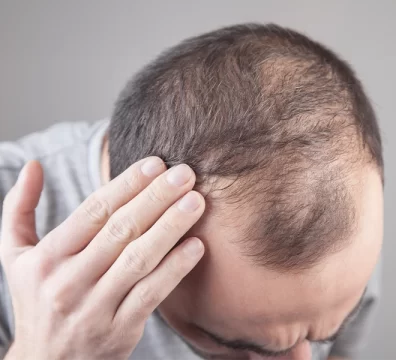
The most common reason for hair loss in men is male pattern baldness, which is hereditary and usually starts at the temples or crown.
Alopecia Areata
Alopecia areata is a condition in which the immune system attacks hair follicles, causing hair loss in patches, usually small round bald spots on the scalp or beard. Alopecia areata causes are linked to the immune system, and it may run in families. Hair often regrows, but the condition can come back. A dermatologist can advise on treatment options.
Hair Loss Treatment: What Are the Options?
The right way to treat hair loss depends on the cause, so diagnosis comes first. A dermatologist may:
- Check for underlying causes with blood tests (for example thyroid, iron or vitamin levels)
- Recommend medical treatments suited to your type of hair loss
- Suggest procedures in some cases
Be cautious of “instant cure” claims. No single product works for everyone, and some supplements can be harmful in excess. Speak to a doctor before starting any hair loss treatment or supplement.
Healthy Hair Tips
- Eat a balanced diet with enough protein, iron and vitamins (nutrients for hair growth)
- Avoid tight hairstyles and frequent heat styling
- Use mild shampoos and treat your scalp gently
- Manage stress and get enough sleep
Premature hair greying and an itchy scalp are also common concerns. Both can have several causes, so see a doctor if they bother you.
When to See a Dermatologist
See a dermatologist (a skin and hair specialist) if you have:
- Itching or rashes that don’t improve
- New or spreading white patches
- Sudden or patchy hair loss
- Hair loss with other symptoms, such as tiredness or weight changes
How ANYA Helps with Skin & Hair Health
ANYA, Lupin’s free AI health assistant, answers your skin and hair questions 24/7 on WhatsApp.
Try asking: “Why does my skin itch at night?”, “What causes white patches on skin?” or “What are the common reasons for hair loss in women?”
ANYA provides health information, not diagnosis or treatment.
Frequently Asked Questions
Itching all over the body is often caused by dry skin or allergies, but it can also be linked to skin conditions, medicines or other health problems. See a doctor if it lasts more than two weeks.
Itching often feels worse at night because there are fewer distractions and the body’s natural rhythms change. If night-time itching disturbs your sleep regularly, see a doctor.
Common causes include allergies, heat, infections and skin conditions like eczema. Get medical help quickly if a rash spreads fast, blisters, or comes with fever or facial swelling.
White marks can be caused by fungal infections, dry patches, vitiligo or past skin inflammation. A dermatologist should check any new or spreading white patches.
Atopic eczema is a long-term condition that causes dry, itchy, inflamed skin. It often starts in childhood and can flare up with certain triggers.
Common reasons include genetics, hormonal changes, nutritional deficiencies, stress, illness and conditions like alopecia areata. Finding the cause is the first step to the right treatment.
Alopecia areata is an immune condition that causes hair to fall out in small, round patches. Hair often regrows, but a dermatologist can advise on treatment.
Low levels of certain nutrients, including vitamin B12 and iron, may contribute to hair loss. A blood test can check your levels, so don’t take supplements without medical advice.
There’s no single best treatment. The right option depends on the cause of your hair loss, so see a dermatologist for a diagnosis first.