How to Strengthen Bones: Strong Bones, Pain Relief and Pelvic Floor Care
Wondering how to strengthen bones and keep your body moving? This guide explains bone health, osteoporosis, common muscle pain and Kegel exercises in simple language.
Have a question about bone density or how to strengthen bones naturally? Ask ANYA on WhatsApp, in your own language, any time.

What Is Osteoporosis?
Osteoporosis is a condition in which bones become weak and fragile, making them more likely to break. It often has no symptoms until a fracture happens, commonly in the hip, spine or wrist.
Osteopenia means bone density is lower than normal but not yet low enough to be osteoporosis.
Risk factors include: ageing, menopause in women, family history, low calcium or vitamin D, lack of exercise, smoking and some medicines.
Osteoporosis treatment may include lifestyle changes and medicines prescribed by a doctor. A bone density test helps diagnose it.
World Osteoporosis Day is observed every year on 20 October.
Calcium, Vitamins and Bone Health
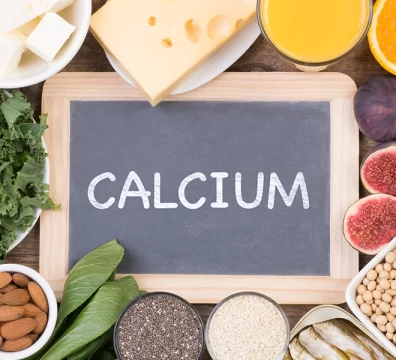
Calcium builds and maintains strong bones. Vitamin D helps the body absorb calcium. Vitamin K2 is also being studied for its role in bone health.
Good food sources:
- Milk, curd, paneer and cheese
- Ragi, sesame seeds and green leafy vegetables
- Sunlight exposure helps the body make vitamin D
Supplement caution: Ask your doctor before taking calcium or vitamin supplements. Too much can cause problems such as kidney stones.
How to Strengthen Bones and Prevent Osteoporosis
Proven daily steps on how to strengthen bones and lower your fracture risk include:
- Do weight-bearing exercise, such as walking, stair-climbing or dancing
- Eat a calcium-rich, balanced diet
- Avoid smoking, and limit alcohol
- Prevent falls by keeping your home well lit and clutter-free
- Ask your doctor about bone density testing if you’re at risk
Muscle Pain: Common Causes
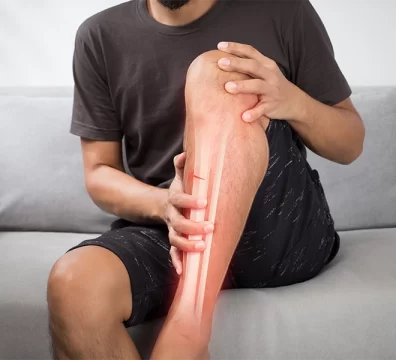
Muscle pain can affect the calf, thigh, arms, neck or back. Common causes include:
- Overuse or strain
- Muscle pain after exercise, which is usually temporary
- Poor posture
- Injury
- Dehydration or low minerals
- Infections or certain medical conditions
Rest, gentle stretching and staying hydrated often help. See a doctor if pain is severe, lasts more than a few days, or comes with swelling, redness or fever.
Emergency warning: Chest muscle pain can sometimes be heart-related. If it’s sudden or comes with breathlessness or sweating, go to the nearest hospital immediately.
Lower Back Pain
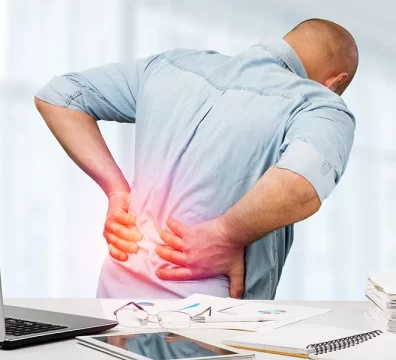
Pain in the lower back is very common and is often caused by muscle strain, poor posture, long hours of sitting or lifting heavy objects incorrectly.
What helps: staying gently active, correct posture and physical therapy for lower back pain, which teaches exercises to strengthen your back and core.
See a doctor if back pain follows an injury, spreads down the legs, or comes with numbness, weakness or bladder problems.
Pelvic Floor and Kegel Exercises
The pelvic floor muscles support the bladder, bowel and, in women, the uterus.
Kegel exercises strengthen these muscles. They can help with:
- Bladder control and urinary incontinence (leakage)
- Pelvic floor support after childbirth
- Pelvic health in both men and women
How to do Kegel exercises: tighten the muscles you would use to stop passing urine, hold for a few seconds, then relax. Repeat several times a day. A doctor or physiotherapist can make sure you’re doing them correctly.
How ANYA Helps with Bone Health
ANYA, Lupin’s free AI health assistant, answers your bone and muscle questions 24/7 on WhatsApp.
Try asking: “What is osteoporosis?”, “How to strengthen bones with diet?” or “How do I do Kegel exercises?”
ANYA provides health information, not diagnosis or treatment.
Frequently Asked Questions
A condition in which bones become weak and fragile, raising the risk of fractures. It often has no symptoms until a bone breaks.
Osteopenia means bone density is lower than normal. Osteoporosis means it is low enough to make bones fragile.
To learn how to strengthen bones, eat calcium-rich foods, get enough vitamin D, do regular weight-bearing exercise, avoid smoking and limit alcohol intake.
Only if your doctor advises it. Getting calcium from food is preferred, and too much from supplements can cause problems.
Common causes include overuse, strain, exercise, poor posture and injury. See a doctor if pain is severe or long-lasting.
Staying gently active, good posture and physical therapy often help. See a doctor if pain spreads down the legs or comes with numbness.
Exercises that strengthen the pelvic floor muscles, helping with bladder control in both men and women.
Yes, they can help improve bladder control for many people. A doctor or physiotherapist can guide you.