
Urinary Problems: UTI, Frequent Urination and Bladder Control
Urinary problems are common but often not talked about. This guide explains urinary tract infections, frequent urination, pain while passing urine and bladder control problems in simple language.
Have a question? Ask ANYA on WhatsApp, privately and in your own language, any time.

Urinary Tract Infection (UTI)
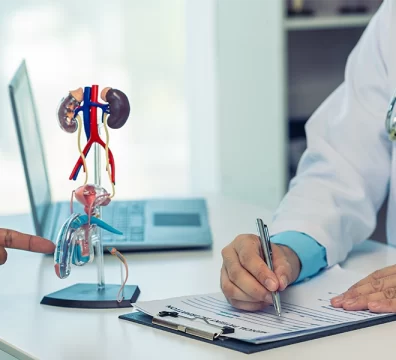
A urinary tract infection happens when bacteria enter the urinary tract, which is made up of the bladder, urethra, ureters and kidneys. Most UTIs affect the bladder.
Common symptoms:
- Pain or burning while passing urine
- Frequent, urgent need to urinate
- Cloudy or strong-smelling urine
- Lower belly pain
Causes of urinary infection in females: Women get UTIs more often because the urethra is shorter, which makes it easier for bacteria to reach the bladder. Dehydration and holding urine for long periods can add to the risk.
UTI in Men
UTIs are less common in men. Male bladder infection symptoms are similar: burning, frequent urination and discomfort. In men, a UTI can sometimes be linked to prostate problems, so it should always be checked by a doctor.
Treating a Urinary Tract Infection
Treating a urinary tract infection usually needs antibiotics prescribed by a doctor. Don’t take antibiotics on your own, and always complete the full course. Get medical help quickly if you have fever, back or side pain, or vomiting, as these can be signs of a kidney infection.
Frequent Urination
Frequent urination means needing to pass urine more often than usual. Causes of frequent urination include:
- Drinking lots of fluids, tea, coffee or alcohol
- UTI
- Diabetes
- Overactive bladder
- Pregnancy
- Prostate enlargement in men
- Some medicines
Frequent urination at night (nocturia) is common with age, but it can also be a sign of diabetes, prostate problems or other conditions.
Frequent urination when pregnant is normal, as the growing uterus presses on the bladder. Tell your doctor if it comes with pain or burning.
Pain During Urination
Pain during urination, or pain while passing urine, is most often caused by a UTI. Other causes include kidney stones, sexually transmitted infections and irritation of the urethra. See a doctor if the pain lasts or comes with blood in the urine or fever.
Urinary Incontinence
Incontinence of urine means leaking urine without control. Types include:
- Stress urinary incontinence: leakage when coughing, sneezing or lifting
- Urge incontinence (overactive bladder): a sudden, strong urge to urinate (urinary urgency) followed by leakage
- Overflow incontinence: frequent dribbling because the bladder doesn’t empty fully
Treatment of urinary incontinence depends on the type. Options include pelvic floor (Kegel) exercises, bladder training, lifestyle changes and medical treatment advised by a doctor.
Urinary Retention
Urinary retention (bladder retention) means being unable to empty the bladder fully. In men, it’s often linked to an enlarged prostate.
Emergency warning: Sudden inability to pass urine is an emergency, so go to the nearest hospital immediately.
Tips for Bladder Health
- Drink enough water
- Don’t hold urine for long periods
- Maintain good personal hygiene
- Limit tea, coffee and alcohol if they worsen symptoms
How ANYA Helps
ANYA, Lupin’s free AI health assistant, answers your urinary health questions 24/7 on WhatsApp, privately and without judgement.
Try asking: “What causes frequent urination?” or “What are UTI symptoms?”
ANYA provides health information, not diagnosis or treatment.
Frequently Asked Questions
Usually with antibiotics prescribed by a doctor. Don’t self-medicate, and complete the full course.
Burning while passing urine, frequent urination and lower belly discomfort. Men should always see a doctor for UTI symptoms.
Common causes include drinking lots of fluids, UTI, diabetes, overactive bladder, pregnancy and prostate enlargement.
It can be due to drinking fluids late, ageing, diabetes, prostate problems or other conditions. See a doctor if it’s new or bothersome.
Most often a UTI. It can also be caused by kidney stones or other infections. See a doctor if it lasts.
Women have a shorter urethra, so bacteria reach the bladder more easily.
Urine leakage when coughing, sneezing, laughing or lifting, usually due to weak pelvic floor muscles.
It depends on the type, and may include Kegel exercises, bladder training, lifestyle changes or treatment advised by a doctor.