Heart Disease Symptoms, Warning Signs and Protecting Your Heart
This guide explains heart health in simple language: how the heart works, common heart problems, the warning signs to know, and everyday steps to keep your heart healthy.
Have a question about your heart? Ask ANYA on WhatsApp, in your own language, any time.

How the Heart Works
Your heart is a muscular pump about the size of your fist. Blood circulation in the heart follows a simple loop. The right side pumps blood to the lungs to pick up oxygen, and the left side pumps this oxygen-rich blood to the rest of the body. Four heart valves act like one-way doors, keeping blood flowing in the right direction.
What Is Heart Disease?
Heart disease (also called cardiac disease or heart disorders) covers conditions that affect how the heart works. Cardiovascular disease (CVD) is a broader term that includes the heart and blood vessels.
Common types:
- Coronary artery disease: Plaque builds up and narrows the heart’s arteries. This is also called atherosclerotic heart disease. When the heart muscle doesn’t get enough blood as a result, it is called ischemic heart disease.
- Heart attack: Blood flow to part of the heart muscle is blocked.
- Heart failure: The heart can’t pump as well as the body needs. When fluid builds up in the body, it is called congestive heart failure.
- Heart valve disease: Valves don’t open or close properly.
- Heart defects: Structural problems present from birth.
Heart Problems Symptoms: Warning Signs
Heart issues symptoms vary, and some people have none until a serious event. Common warning signs include:
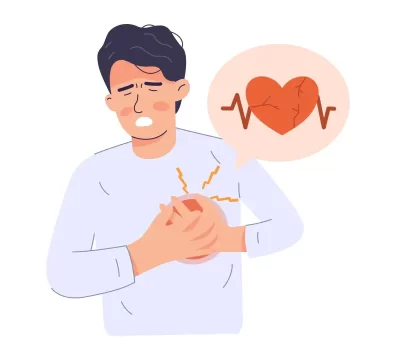
- Chest pain, pressure or discomfort
- Shortness of breath
- Pain in the arm, jaw, neck or back
- Unusual tiredness, dizziness or fainting
- Fast or irregular heartbeat
- Swelling in the legs, ankles or feet
Heart blockage symptoms often include chest discomfort during activity that eases with rest. Heart failure symptoms include breathlessness (especially when lying down), leg swelling and tiredness.
Emergency warning: Sudden chest pain with breathlessness, sweating or pain spreading to the arm or jaw can signal a heart attack. Go to the nearest hospital immediately.
Is Left Sided Chest Pain Always a Heart Problem?
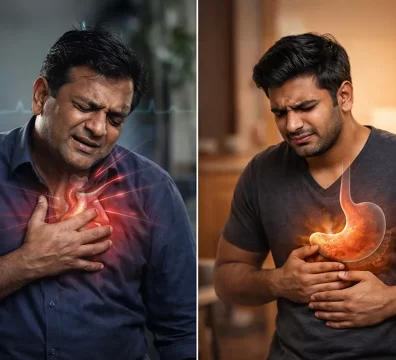
Not always. Chest pain causes also include acidity, muscle strain and lung conditions. But left sided chest pain or any heart pain should never be self-diagnosed, so see a doctor.
Cholesterol and Blood Pressure: Know Your Numbers
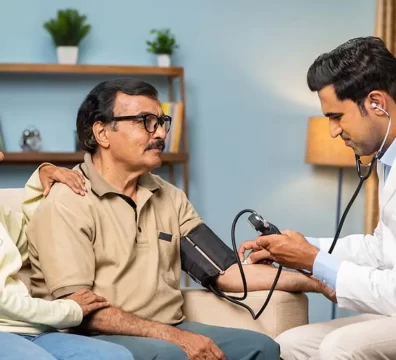
High cholesterol and high blood pressure often have no symptoms, so regular check-ups are the only way to know.
Healthy Cholesterol Levels (Adults 20+)
| Type | Healthy level |
|---|---|
| Total cholesterol | Less than 200 mg/dL |
| LDL (“bad”) | Less than 100 mg/dL |
| HDL (“good”) | 60 mg/dL or higher is best. Below 40 (men) or 50 (women) is low. |
HDL good cholesterol helps remove LDL from the blood. When LDL cholesterol is high, plaque can build up in the arteries.
Blood Pressure Categories
| Category | Systolic (upper) | Diastolic (lower) | |
|---|---|---|---|
| Normal | Less than 120 | and | Less than 80 |
| Elevated | 120–129 | and | Less than 80 |
| High (Stage 1) | 130–139 | or | 80–89 |
| High (Stage 2) | 140 or higher | or | 90 or higher |
Systolic blood pressure is the upper number. It measures arterial pressure when the heart beats. Only a doctor can confirm high blood pressure, and your healthy cholesterol level may differ based on your risk factors.
Heart Healthy Diet: Foods Good for the Heart
A heart healthy diet is one of the simplest ways to protect your heart.
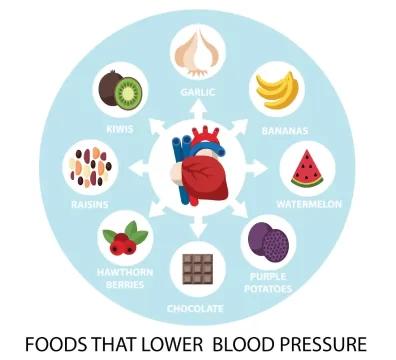
- Heart healthy foods: fruits, vegetables, whole grains, pulses, nuts and fish.
- Limit: fried and fatty foods, excess salt, sweets and sugary drinks.
Cutting down on saturated fat is also good for cholesterol. Staying active, not smoking and managing stress help too. A doctor or dietitian can guide you.
When to See a Cardiologist
A cardiologist specialises in the heart and blood vessels. See one if your doctor refers you for chest pain, breathlessness, an irregular heartbeat, hard-to-control blood pressure or cholesterol, or a family history of heart disease. An interventional cardiologist performs procedures such as angiography and angioplasty.
Common Heart Procedures
- Cardiac catheterization: A thin tube is guided to the heart to check for or treat blockages.
- Coronary bypass surgery (heart bypass): Creates a new route for blood around a blocked artery.
- Open heart surgery: Heart surgery in which the chest is opened, such as bypass or valve surgery.
- Pacemaker: A small device that helps control a slow or irregular heartbeat.
Your cardiologist decides which, if any, is right for you.
How ANYA Helps with Heart Health
ANYA, Lupin’s free AI health assistant, answers your heart questions 24/7 on WhatsApp.
Try asking: “What is a normal cholesterol level?”, “Which foods are good for the heart?” or “What does my blood pressure reading mean?”
ANYA provides health information, not diagnosis or treatment.
Frequently Asked Questions
Common early signs include chest discomfort, shortness of breath, unusual tiredness, an irregular heartbeat and swelling in the legs or feet. Some people have no symptoms, so regular check-ups matter.
No. Left sided chest pain can also come from acidity, muscle strain or lung conditions. But sudden or severe chest pain, especially with breathlessness or sweating, should be treated as an emergency. Go to the nearest hospital immediately.
Heart blockage symptoms often include chest pain or pressure during physical activity or stress that eases with rest, along with breathlessness and tiredness. See a doctor if you notice this pattern.
Congestive heart failure symptoms include breathlessness (especially when lying down), swelling in the legs, ankles or feet, tiredness and sudden weight gain from fluid buildup.
Normal blood pressure is less than 120/80 mm Hg. A systolic reading of 130 or higher, or a diastolic reading of 80 or higher, falls in the high blood pressure range. Only a doctor can confirm a diagnosis.
For adults, a healthy total cholesterol is below 200 mg/dL and LDL (“bad”) cholesterol is below 100 mg/dL. For HDL (“good”) cholesterol, 60 mg/dL or higher is best.
Heart healthy foods include fruits, vegetables, whole grains, pulses, nuts and fish. Limit fried and fatty foods, excess salt, sweets and sugary drinks.
See a cardiologist if your doctor refers you for chest pain, breathlessness, an irregular heartbeat, hard-to-control blood pressure or cholesterol, or a family history of heart disease.
Many types of heart disease can be prevented or delayed with a healthy diet, regular physical activity, not smoking, and keeping blood pressure, cholesterol and blood sugar under control.