Digestive Health: How to Improve Gut Health and Digestion
Good digestion affects how you feel every day. This guide explains gut health in simple language: what your gut bacteria do, how probiotics and fermented foods help, and when digestive symptoms need a doctor.
Have a question about your digestion? Ask ANYA on WhatsApp, in your own language, any time.

What Is Gut Health?
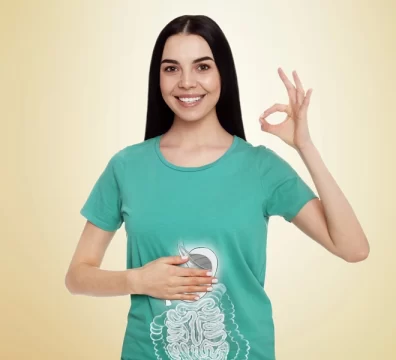
Your gut (digestive system) breaks down food, absorbs nutrients and removes waste. Gut health means this system working smoothly, without frequent discomfort such as bloating, acidity or constipation.
Your Gut Microbiome: The Good Bacteria Inside You
Your intestines are home to trillions of microbes, mostly bacteria. Together they’re called the gut microbiome (or gut flora).
Good gut bacteria help to:
- Digest certain foods, especially fibre
- Support your immune system
- Protect against harmful germs
Diet, medicines (especially antibiotics), stress and illness can change the balance of gut bacteria.
Probiotics and Prebiotics: What’s the Difference?
Probiotics are live “good” bacteria found in some foods. Prebiotics are types of fibre that feed the good bacteria already in your gut.
| Feature | Probiotics | Prebiotics |
|---|---|---|
| What they are | Live good bacteria | Fibre that feeds good bacteria |
| Food sources | Curd, buttermilk, fermented foods | Onion, garlic, bananas, whole grains |
Probiotics for gut health work best as part of a balanced diet. If you’re considering a probiotic supplement, ask your doctor first, because not every product suits every person.
Fermented and Gut-Friendly Foods
Fermented foods for gut health contain natural probiotics. Many are already part of Indian diets:
- Curd (dahi) and buttermilk (chaas)
- Idli and dosa made from fermented batter
- Homemade pickles fermented without vinegar
- Kanji and other traditional fermented drinks
Other Gut Healthy Foods:
- Fruits and vegetables
- Whole grains, pulses and legumes
- Plenty of water
A healthy gut diet limits ultra-processed foods, excess sugar and fried food.
Gut Bloating: Why Does It Happen?
Gut bloating is a feeling of fullness, tightness or swelling in the belly. Common causes include:
- Eating too fast or too much
- Gas-producing foods (such as beans and fizzy drinks)
- Constipation
- Food intolerances, such as to lactose
- Digestive conditions like IBS
Occasional bloating is normal. See a doctor if it is frequent, painful, or comes with weight loss, vomiting or blood in the stool.
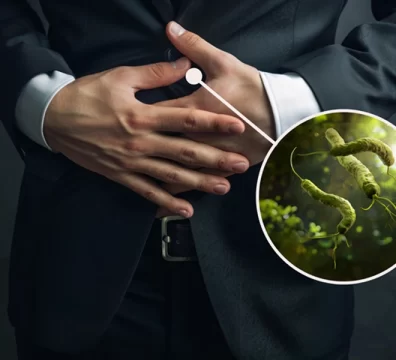
Medical note: Inflammation in the stomach (gastritis) or gut inflammation can cause pain, nausea and indigestion and should be checked by a doctor.
Other Common Digestive Problems
- Acidity: a burning feeling in the chest or upper stomach, often after heavy or spicy meals.
- Constipation: infrequent or hard stools. More fibre, water and activity often help.
- Indigestion: discomfort or fullness in the upper stomach after eating.
- IBS (irritable bowel syndrome): a long-term condition causing belly pain, bloating, and diarrhoea or constipation.
If symptoms persist, see a doctor or a gastroenterologist (digestive specialist).
How to Improve Gut Health
- Eat a variety of fibre-rich, plant-based foods
- Include fermented foods regularly
- Drink enough water
- Stay physically active and sleep well
- Manage stress
- Take antibiotics only when prescribed
How ANYA Helps with Digestive Health
ANYA, Lupin’s free AI health assistant, answers your digestion questions 24/7 on WhatsApp.
Try asking: “Which foods are good for gut health?” or “Why do I feel bloated after eating?”
ANYA provides health information, not diagnosis or treatment.
Frequently Asked Questions
Gut health means your digestive system works smoothly, with a healthy balance of gut bacteria and few problems like bloating, acidity or constipation.
Eat fibre-rich foods, include fermented foods like curd, drink enough water, stay active, manage stress and sleep well.
Probiotics can support a healthy balance of gut bacteria. Food sources like curd and buttermilk are a good start. Ask a doctor before taking supplements.
Probiotics are live good bacteria. Prebiotics are fibres that feed those bacteria.
Curd, buttermilk, idli, dosa and traditional fermented drinks like kanji contain natural probiotics.
Common causes include eating too fast, gas-producing foods, constipation and food intolerances. See a doctor if bloating is frequent or painful.
It is the communication link between your gut and brain, which is why stress can affect digestion and gut problems can affect mood.
See a doctor for symptoms that persist, severe pain, vomiting, weight loss or blood in the stool.