Eye Care: Common Eye Problems and Protecting Your Vision
Good eye health helps you enjoy everyday life. This guide explains common diseases of the eye, when to get an eye check-up and simple ways to care for your eyes and vision.
Have a question about your eyes? Ask ANYA on WhatsApp, in your own language, any time.

Conjunctivitis (Pink Eye)
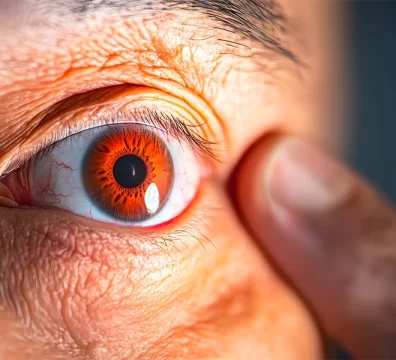
Conjunctivitis, commonly called pink eye, is inflammation of the thin layer covering the white of the eye. It causes redness, itching, watering, discharge and a gritty feeling.
Types:
- Viral conjunctivitis: the most common type. It spreads easily and usually clears on its own.
- Bacterial conjunctivitis: may cause thick, yellow-green discharge and may need treatment prescribed by a doctor.
- Allergic conjunctivitis (allergy pink eye): triggered by dust, pollen or pets. It is not contagious.
Prevent spreading it: wash your hands often, avoid touching your eyes, and don’t share towels or eye makeup.
Care warning: Avoid home remedies in the eyes. Using eye drops without a doctor’s advice, especially those containing steroids, can be harmful. See a doctor for conjunctivitis treatment, particularly if you have eye pain, blurred vision or sensitivity to light.
Glaucoma
Glaucoma is a group of eye diseases that damage the optic nerve, often due to high pressure inside the eye. It usually develops slowly without symptoms, which is why it’s called the “silent thief of sight”. Vision lost to glaucoma cannot be restored, but early treatment can help protect the remaining vision.
Tests for glaucoma include measuring eye pressure and checking the optic nerve during an eye exam.
Cataracts
Cataracts cause clouding of the eye’s natural lens, which is common with age. Cataracts vision symptoms include blurry or dim vision, glare from lights, faded colours and difficulty seeing at night. Cataract surgery replaces the cloudy lens with a clear artificial one, and your eye doctor will advise when it’s needed.
Other Common Eye Problems
- Blepharitis: inflammation of the eyelids, causing redness, itching and crusting along the lashes
- Eye allergies: itchy, watery, red eyes caused by allergens
- Nearsightedness (myopia): distant objects look blurry. It is corrected with glasses, contact lenses or, in some cases, surgery.
- Infected eye: redness, pain, swelling or discharge that needs a doctor’s attention
People with diabetes should get regular eye checks.
Eye Check-ups: Who Does What?
| Professional | Role |
|---|---|
| Optometrist | Tests vision and prescribes glasses or contact lenses |
| Ophthalmologist | An eye doctor who diagnoses and treats eye diseases and performs surgery |
Regular eye exams help detect problems early, often before you notice symptoms. Ask your eye doctor how often you should have an eye check up.
Urgent attention: See a doctor urgently for sudden vision loss, eye pain, flashes of light or an eye injury.
Foods for Eye Health
A balanced diet supports healthy eyes. Foods good for eyes include:
- Green leafy vegetables, such as spinach
- Carrots, sweet potatoes and other orange vegetables
- Citrus fruits
- Eggs, nuts and fish
Healthy food supports eye health, but it cannot correct eyesight problems such as nearsightedness. Ask a doctor before taking any eye supplements.
Everyday Eye Care Tips
- Take breaks from screens, looking away at something distant
- Wear sunglasses in strong sunlight
- Don’t rub your eyes
- Wear protective eyewear for risky work or sports
How ANYA Helps
ANYA, Lupin’s free AI health assistant, answers your eye care questions 24/7 on WhatsApp.
Try asking: “Is pink eye contagious?” or “What are the signs of cataracts?”
ANYA provides health information, not diagnosis or treatment.
Frequently Asked Questions
Viral and bacterial conjunctivitis spread easily. Allergic conjunctivitis is not contagious. Wash your hands often and avoid sharing towels.
It depends on the cause. Viral conjunctivitis often clears on its own, while bacterial conjunctivitis may need prescribed drops. See a doctor before using any eye drops.
Glaucoma is an eye disease that damages the optic nerve, often without early symptoms. Regular eye exams help detect it early.
Blurry or dim vision, glare from lights, faded colours and difficulty seeing at night.
An optometrist tests vision and prescribes glasses. An ophthalmologist is a medical doctor who treats eye diseases and performs surgery.
It depends on your age and health. People with diabetes or a family history of eye disease may need more frequent checks, so ask your eye doctor.
Green leafy vegetables, carrots, citrus fruits, eggs, nuts and fish support eye health.
No. A healthy diet supports eye health, but it cannot correct vision problems like nearsightedness. Glasses, contact lenses or treatment advised by a doctor are needed.